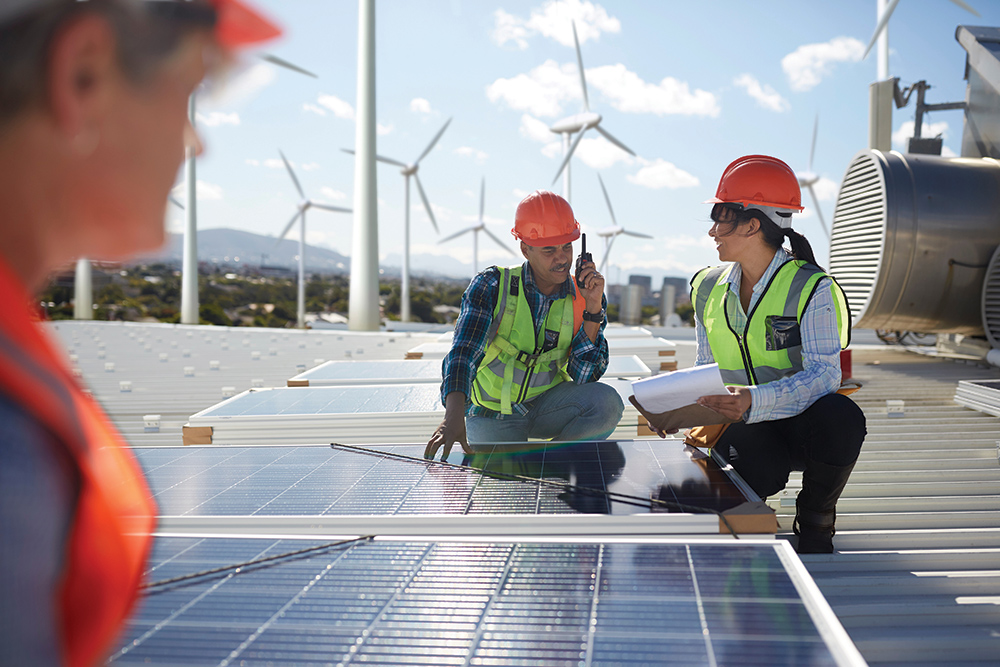
Engineers examining solar panels at alternative energy power plant. Source: Adobe Stock
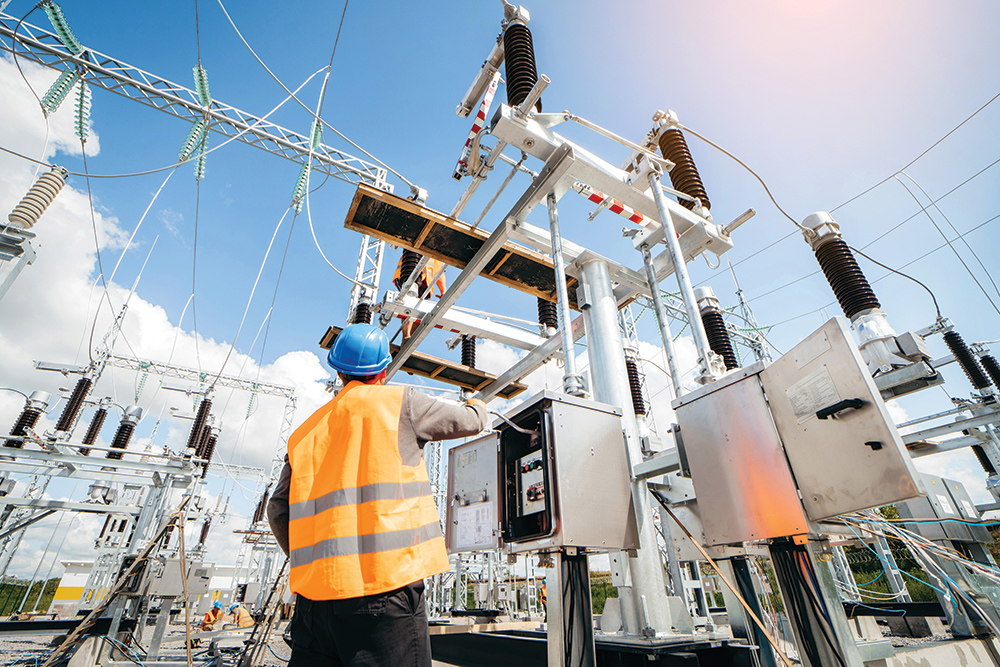
Electrical engineer conducts inspection of equipment control station. Source: Adobe Stock
With a historic energy transformation underway, the U.S. power industry faces a series of profound challenges. From the growing energy demand of new technologies like AI, to the rising impact of extreme weather events, and the urgent need for modernized electric infrastructure that can integrate a wide range of energy sources, America must take bold actions to secure its energy future. One challenge that has yet to garner enough attention is a looming workforce crisis and the need for more engineers to build our energy future.
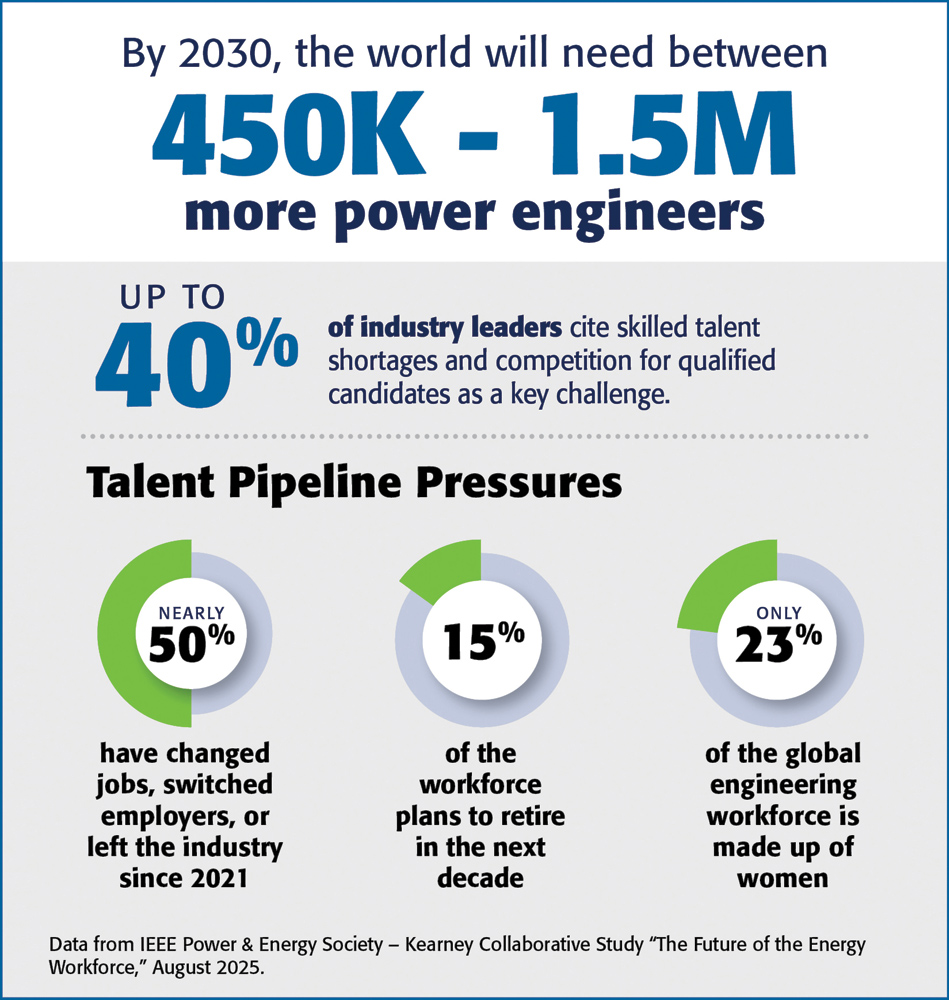
As outlined in a new study, The Future of the Energy Workforce, the world will need up to 1.5 million more power engineers to design, operate and maintain the increasingly advanced systems of tomorrow. The joint report by IEEE Power and Energy Society (PES) and Kearney reveals the engineering field is facing pervasive professional stress, posing a growing threat to the reliability, resiliency and affordability of our power grid. Report findings highlight a concerning energy workforce trend, as nearly half of all power engineers have changed or left jobs in the last three years, citing issues such as workplace burnout, limited professional mobility, or the lack of engaging or meaningful work. Adding to this workforce challenge, an estimated 15% of the current workforce plans to retire within the next decade — a higher rate than previously forecast by industry executives.
Why does this matter now? This generational and professional turnover coincides with the explosive global demand for more engineers to meet this historic energy moment. Some estimates, for example, indicate the industry will need to more than double the size of the current energy workforce within the next five years. If left unaddressed, this gap could severely hinder the ability to meet the growing complexity of America’s energy needs, let alone the world’s.
To address these profound challenges, IEEE PES —the world’s largest association of power and energy professionals — is leading cross-industry efforts to recruit, train and empower the next generation of engineers. Given the magnitude of the task ahead, industry leaders, universities and policymakers must not only be active participants, but also vocal advocates for the development of this critical workforce to sustain the strength and security of our nation’s energy future. As difficult as this challenge may be, there are tangible steps we can take together to meet this moment.
Source: IEEE PES
Source: IEEE PES
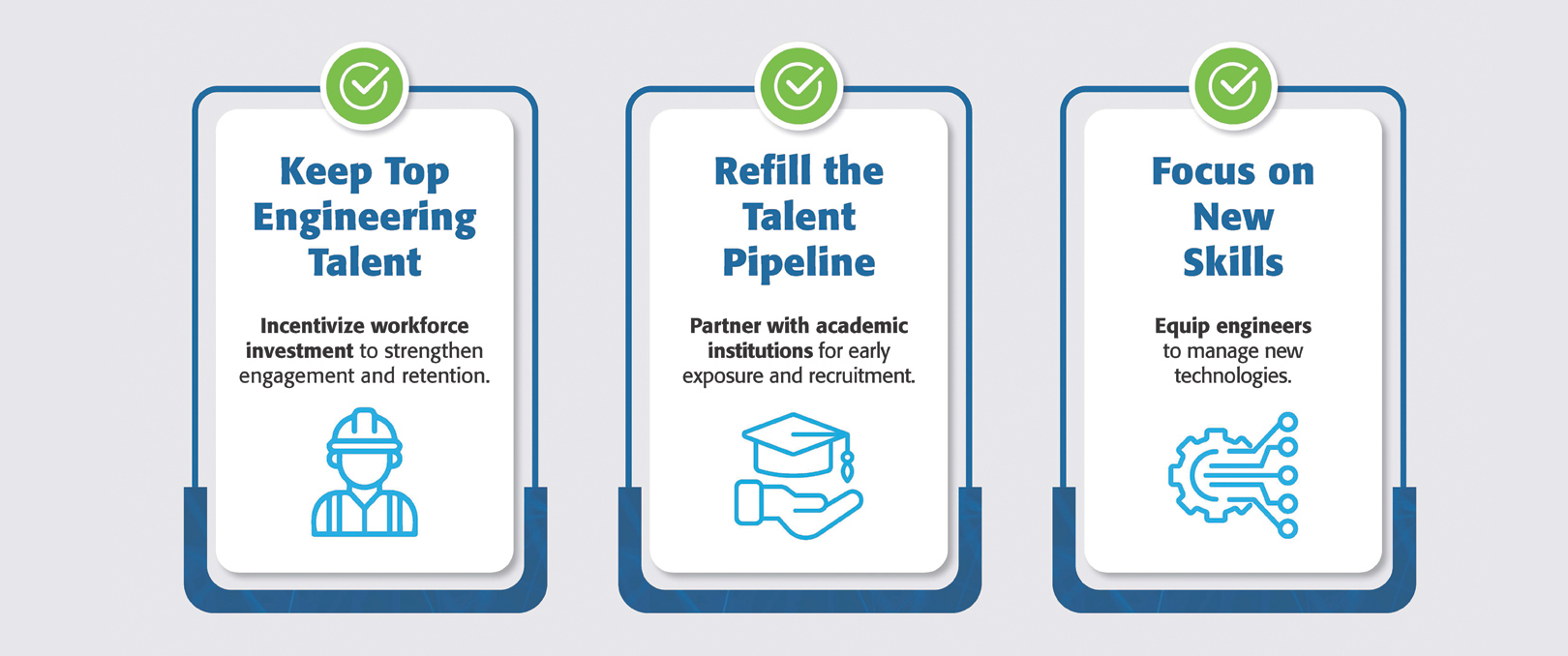
1. Help power companies keep talented workers. Mitigating workforce attrition must remain one of the industry’s most pressing priorities, as underscored by the report. To accomplish this, employees must further prioritize the values that matter most to employees: engaging work, purpose and meaning, positive culture, work-life balance, competitive compensation and professional development opportunities. At the same time, new incentives can help encourage power companies to invest more in their people for long-term success. By doing so, the industry can increase professional engagement, improve retention and prepare more individuals for lasting careers in electrical engineering.
2. Refill the talent pipeline today. To expand America’s future energy workforce, the number of students pursuing careers in electrical engineering must grow substantially, particularly within regions where the need is most urgent. Although the number of STEM degrees earned in the U.S. has doubled in the last decade, most of those degrees are concentrated in areas like IT, computer science, or software-related fields. As an industry, we must renew efforts to encourage more students and young professionals to pursue careers in electrical engineering to rebuild and sustain this critical talent pipeline. By partnering with universities, community colleges, career resource centers and K-12 institutions, we can create early exposure opportunities that reinforce awareness of these high-demand engineering roles and the positive impact they have on defining our future.
3. Focus on new skill sets. As the energy landscape evolves, future engineers need a broader, more adaptive set of skills, including fluency across a multitude of new digital technologies. For example, new skills in AI, big data analytics and cyber security will be critical capabilities over the next 5 to 10 years. Equally important, however, are soft skills like project management, teamwork and communication — all essential for engineers to think technically, strategically and creatively on solutions. In collaboration with energy and industry leaders, we can help advance progress by aligning workforce development programs with the realities of a rapidly evolving system to develop the next generation of engineers.
The future ahead
Even as America and the rest of the world face a defining moment for our energy future, engineers can help lead us forward. What we cannot afford is a reality without a significant increase in workforce headcount, a stronger focus on future skills and a modern and supportive workplace environment, or the energy systems we all depend on will suffer the consequences.
Meeting this moment requires a new and shared sense of urgency and purpose. There’s no time left to wait. It is up to all of us, working together, to ensure our current and future engineers have the tools, training and resources needed to build a more reliable, more resilient and cleaner energy future that future generations will depend on.

Maria Berio is a transformational leader with a proven track record in the energy and utilities sector in the United States, Central America and the Caribbean. She currently serves on the IEEE Power and Energy Society Governing Board as Member At Large for Women in Power. She holds a juris doctor and a master’s degree in environmental law and public policy from Vermont Law School.
The IEEE Power & Energy Society (PES) is the leading provider of scientific and engineering information on electric power & energy for the betterment of society and a trusted resource dedicated to the technical, informational, networking and professional development needs of its members. With nearly 40,000 members around the globe representing every facet of the electric power and energy industry, PES is at the forefront of the rapidly changing technological advancements that impact everyone’s future. Additional information on IEEE PES can be found at ieee-pes.org.